The biggest change to Florida workers’ compensation in 2026 came from the Florida Supreme Court, not the Legislature. Most workers’ comp bills died in the January–March session. Instead, a July ruling reshaped how workplace assault claims are evaluated, a narrow firefighter benefits law took effect, and employers are on track for a tenth straight year of lower rates.
The Key Ruling: Bouayad v. Normandy Insurance Co.
On July 9, 2026, the Court ruled that an employee assaulted by a third party can receive benefits when the job or work environment raised the risk of attack, even if the attacker’s motive is never known.
Mohammed Bouayad managed a car rental business near Orlando International Airport. Around midnight, he was shot while walking a dimly lit, unsecured route he routinely traveled carrying cash and rental agreements. He had recently fired three employees, and the shooter was never identified. A Judge of Compensation Claims awarded benefits. The First District Court of Appeal reversed, reasoning that walking didn’t cause the shooting.
The Supreme Court held that the First District wrongly applied tort-style causation to a no-fault system. A claimant can show an assault arose out of employment in either of two ways. One is a work-related motive. The other is increased risk, meaning the employee’s overall duties and environment exposed them to greater danger. The Court looked at the job as a whole rather than the task at the moment of injury, and sent the case back for the correct standard to be applied.
Some defense practitioners see this as a return to the 1980 Strother v. Morrison Cafeteria standard. Either way, an unexplained motive is no longer a reliable basis for denial.
New Law: Firefighter Cancer Benefits (SB 984)
SB 984 took effect July 1 and amends section 112.1816. It requires former employers to provide death benefits to certain beneficiaries when a firefighter dies from cancer or its treatment. It also revises when the one-time diagnosis payment is owed. The law mainly affects municipalities, fire districts, and their carriers and TPAs, and it does not change Chapter 440.
Bills to Watch
Three proposals died but may return in later sessions:
- SB 618 / HB 1243, on excess rates and the guaranty association board
- SB 774 / HB 451, extending mental injury benefits to 911 telecommunicators
- HB 1307 / SB 1380, requiring E-Verify before an employer submits a claim
Rates and Benefits
NCCI has recommended an average 7.4% decrease for 2027, following a 6.9% cut in 2026. The maximum weekly benefit for 2026 injuries is $1,358, up from $1,295 in 2025.
What This Means for Claims and Investigations
After Bouayad, assault claims turn on facts about the work environment. That makes early investigation more important:
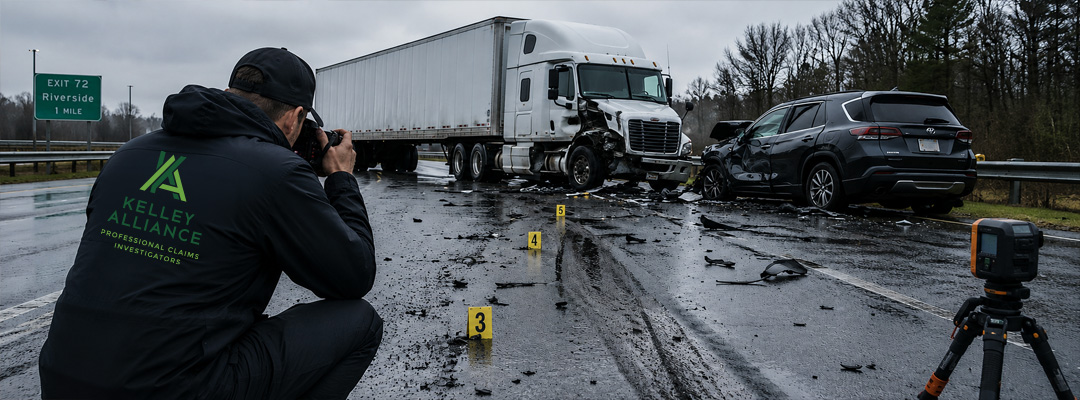
- Document the scene early. Capture lighting, security, cameras, and prior incidents before conditions change.
- Weigh the whole job. Shift times, cash handling, public contact, and recent terminations all bear on increased risk.
- Investigate motive thoroughly. A genuinely personal dispute still matters, but an unsolved motive won’t defeat a claim.
- Revisit open files. Assault denials made under the First District’s narrower reasoning may deserve a second look with counsel.
At Kelley Alliance, our investigators help carriers, TPAs, and self-insured employers build the factual record these claims now require. Contact our team with questions about a workplace assault claim.
This article is for general information only and is not legal advice.
Sources: WorkersCompensation.com; Business Insurance; Insurance Journal; Florida Senate; Healthesystems; Florida Division of Workers’ Compensation